Pharmaceutical and Cosmetic Science
- Course fee
-
£1320 (includes £150 registration fee)
- Duration
-
Flexible study (typically takes 8-10 months, but you can work at your own pace to complete in a time that suits you) Extension option available
- Start date
-
This course can be started at any time of the year

Course Details
About the Course
Students who study Pharmaceutical and Cosmetic Science at university typically pursue careers in pharmaceuticals, cosmetics, product formulation, regulatory affairs, and research & development (R&D). This degree provides expertise in drug formulation, skincare, personal care products, and quality control, allowing graduates to work in various industries.
Career Paths After Studying Pharmaceutical & Cosmetic Science
1. Pharmaceutical Industry Careers
- Formulation Scientist – Develops and tests new medicines, drugs, and drug delivery systems.
- Quality Control Analyst – Ensures pharmaceutical products meet regulatory and safety standards.
- Regulatory Affairs Specialist – Works with government agencies (MHRA, FDA, EMA) to ensure product compliance.
? Where They Work: Pharmaceutical companies (e.g., GlaxoSmithKline, AstraZeneca, Pfizer), regulatory bodies, research labs.
? Salary: £25,000 – £60,000+ (senior roles).
2. Cosmetic & Personal Care Industry Careers
- Cosmetic Chemist / Product Formulator – Develops skincare, makeup, haircare, and fragrance products.
- Research & Development (R&D) Scientist – Innovates new cosmetic formulations and improves product effectiveness.
- Regulatory Compliance Officer – Ensures cosmetic products meet safety and legal standards.
? Where They Work: L’Oréal, Unilever, Procter & Gamble, The Body Shop, independent cosmetic brands.
? Salary: £25,000 – £50,000+.
3. Manufacturing & Production
- Production Manager – Oversees the manufacturing process of pharmaceutical or cosmetic products.
- Supply Chain Specialist – Manages raw materials, production logistics, and product distribution.
? Where They Work: Factories, laboratories, pharmaceutical/cosmetic manufacturers.
? Salary: £30,000 – £60,000+.
4. Research, Testing & Clinical Trials
- Clinical Research Associate – Conducts clinical trials and evaluates drug safety and effectiveness.
- Toxicologist – Tests pharmaceuticals and cosmetics for safety.
? Where They Work: Universities, contract research organisations (CROs), clinical trial centres.
? Salary: £28,000 – £55,000+.
5. Marketing & Sales in Pharma & Cosmetics
- Medical Sales Representative – Sells pharmaceutical or cosmetic products to healthcare professionals or retailers.
- Brand/Product Manager – Oversees marketing and branding strategies for skincare, beauty, or pharmaceutical products.
? Where They Work: Pharmaceutical and cosmetic companies, marketing agencies, retail brands.
? Salary: £30,000 – £70,000+ (with commission).
Further Training & Specialisation
Many graduates pursue additional qualifications to specialise in:
- MSc in Pharmaceutical Science, Cosmetic Science, or Toxicology.
- Chartered Chemist (CChem) status for pharmaceutical roles.
- Regulatory Affairs Certification (RAPS) for compliance careers.
Salary Expectations
- Entry-Level Roles: £25,000 – £35,000 per year.
- Mid-Level (3–5 years experience): £35,000 – £50,000.
- Senior & Specialist Roles: £50,000 – £80,000+.
Graduates find roles in pharmaceutical companies, cosmetic brands, research laboratories, regulatory agencies, and clinical trial organisations.
Career Progression, Further Training & Specialisation for Pharmaceutical and Cosmetic Science Graduates
A Pharmaceutical and Cosmetic Science degree offers a diverse range of career opportunities in pharmaceuticals, cosmetics, regulatory affairs, quality control, research & development (R&D), and manufacturing. Many graduates specialise further through postgraduate study, industry certifications, or hands-on experience. Below is a detailed breakdown of career pathways, salary expectations, and training opportunities.
1. Career Paths & Specialisations
a) Pharmaceutical Industry Careers
1. Formulation Scientist (Pharmaceuticals & Drug Development)
? What They Do:
- Develop and test new medicines, drug delivery systems, and vaccines.
- Work on solid dosage forms (tablets, capsules), liquid formulations, or biological drugs.
? Where They Work: Pharmaceutical companies (e.g., GlaxoSmithKline, AstraZeneca, Pfizer), biotech firms, research labs.
? Salary:
- Entry-level: £25,000 – £35,000
- Senior roles: £50,000 – £70,000+
✅ Further Training Options:
- MSc in Pharmaceutical Science or Drug Formulation.
- Qualified Person (QP) Training for advanced regulatory roles.
2. Regulatory Affairs Specialist (Pharmaceuticals & Cosmetics)
? What They Do:
- Ensure pharmaceutical and cosmetic products comply with regulations set by agencies like MHRA, FDA, EMA.
- Prepare licensing applications, clinical trial documents, and compliance reports.
? Where They Work: Pharmaceutical companies, regulatory bodies, contract research organisations (CROs).
? Salary:
- Entry-level: £30,000 – £40,000
- Senior roles: £50,000 – £80,000+
✅ Further Training Options:
- Regulatory Affairs Certification (RAPS or TOPRA UK).
3. Quality Control & Assurance Analyst (Pharma & Cosmetics)
? What They Do:
- Test raw materials, active ingredients, and finished products for safety and compliance.
- Work in Good Manufacturing Practice (GMP)-regulated laboratories.
? Where They Work: Pharmaceutical manufacturers, cosmetic brands, contract testing labs.
? Salary:
- Entry-level: £25,000 – £35,000
- Senior roles: £40,000 – £60,000+
✅ Further Training Options:
- Certified Quality Auditor (CQA) qualification.
b) Cosmetic & Personal Care Industry Careers
4. Cosmetic Chemist / Product Formulator
? What They Do:
- Develop and test skincare, haircare, makeup, and fragrance products.
- Ensure formulations meet safety, stability, and performance standards.
? Where They Work: L’Oréal, Unilever, The Body Shop, Estée Lauder, independent cosmetic brands.
? Salary:
- Entry-level: £25,000 – £35,000
- Senior roles: £50,000 – £70,000+
✅ Further Training Options:
- Diploma in Cosmetic Science (Society of Cosmetic Scientists, UK).
5. Research & Development (R&D) Scientist (Cosmetics & Skincare)
? What They Do:
- Innovate and test new beauty and skincare formulations.
- Work on sustainable ingredients, anti-aging solutions, or SPF technology.
? Where They Work: Cosmetic companies, research labs, raw material suppliers.
? Salary:
- Entry-level: £28,000 – £40,000
- Senior roles: £50,000 – £80,000+
✅ Further Training Options:
- MSc in Cosmetic Science or Skincare Formulation.
c) Manufacturing & Production Careers
6. Production Manager (Pharma & Cosmetics Manufacturing)
? What They Do:
- Oversee the manufacturing process, production schedules, and quality control.
- Manage supply chains, packaging, and logistics.
? Where They Work: Large pharmaceutical or cosmetic manufacturers.
? Salary: £30,000 – £60,000+.
✅ Further Training Options:
- Lean Six Sigma Certification (for production efficiency roles).
7. Supply Chain & Procurement Specialist (Pharma & Beauty Industry)
? What They Do:
- Manage raw material sourcing, inventory, and supplier contracts.
- Ensure ethical sourcing and sustainable ingredient procurement.
? Where They Work: Pharma & beauty companies, distribution networks.
? Salary: £30,000 – £60,000+.
✅ Further Training Options:
- MSc in Supply Chain Management or Procurement.
d) Research, Testing & Clinical Trials
8. Clinical Research Associate (Pharmaceuticals & Skincare)
? What They Do:
- Manage clinical trials for new drugs and skincare formulations.
- Ensure compliance with Good Clinical Practice (GCP) guidelines.
? Where They Work: CROs, NHS research teams, private companies.
? Salary: £28,000 – £55,000+.
✅ Further Training Options:
- MSc in Clinical Research or Pharmacovigilance.
9. Toxicologist (Pharma & Cosmetics Safety Testing)
? What They Do:
- Test pharmaceuticals and cosmetic ingredients for toxicity and safety.
- Work with government agencies and private safety labs.
? Where They Work: MHRA, private testing labs, pharmaceutical firms.
? Salary: £30,000 – £60,000+.
✅ Further Training Options:
- MSc in Toxicology or Pharmacology.
e) Marketing & Sales Careers in Pharma & Cosmetics
10. Medical Sales Representative (Pharma & Beauty Industry)
? What They Do:
- Sell pharmaceutical or cosmetic products to healthcare professionals, pharmacies, or retailers.
? Where They Work: Large pharmaceutical and beauty brands.
? Salary: £30,000 – £70,000+ (with commission).
✅ Further Training Options:
- Diploma in Medical Sales (Association of British Pharmaceutical Industry - ABPI).
11. Brand Manager (Cosmetics & Personal Care)
? What They Do:
- Develop marketing strategies for skincare, haircare, and beauty products.
? Where They Work: Global beauty brands, luxury cosmetics firms.
? Salary: £35,000 – £80,000+.
✅ Further Training Options:
- MSc in Marketing or Cosmetic Business Management.
2. Salary Expectations Based on Career Path
| Career Path | Entry-Level Salary (£) | Experienced (£) |
|---|---|---|
| Pharmaceutical Formulation Scientist | £25,000 – £35,000 | £50,000 – £70,000+ |
| Cosmetic Chemist / R&D Scientist | £25,000 – £35,000 | £50,000 – £80,000+ |
| Regulatory Affairs Specialist | £30,000 – £40,000 | £50,000 – £80,000+ |
| Clinical Research Associate | £28,000 – £40,000 | £55,000+ |
| Brand Manager (Cosmetics) | £35,000 – £50,000 | £80,000+ |
Final Thoughts
A Pharmaceutical & Cosmetic Science degree opens doors to formulation science, product development, regulatory compliance, and clinical research. Many graduates pursue further training in pharmaceutical sciences, cosmetic formulation, or regulatory affairs.
If you cannot find a suitable pathway from the course options listed, we may be able to offer you a custom-made course to suit the entry requirements for the university course you plan to apply for. Just give us a call on 0161 726 5970 or use our Contact Us form to send us an email /contact:
|
|
Ungraded Units

Academic Writing Skills (3 Credits)

Numeracy in a Health Context (3 Credits) Level 2

Professional Behaviours: Nursing and Health Professions (3 Credits)

Researching and Understanding Opportunities in Higher Education (3 Credits)

Safe and Ethical Use of Generative Artificial Intelligence (3 Credits)
Graded Social Science Units

Bio-Psychology: Behaviour and Drugs (3 Credits)

Bio-Psychology: Behaviour and the Brain (3 Credits)
Graded Health Units

Healthcare Communication (3 Credits)
Graded Biology Units
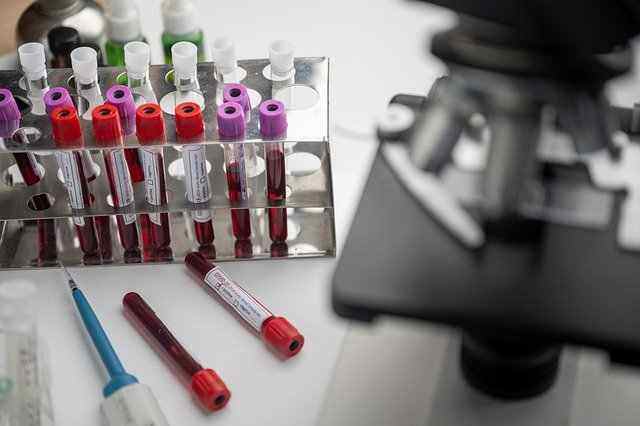
Biochemical Molecules (3 Credits)
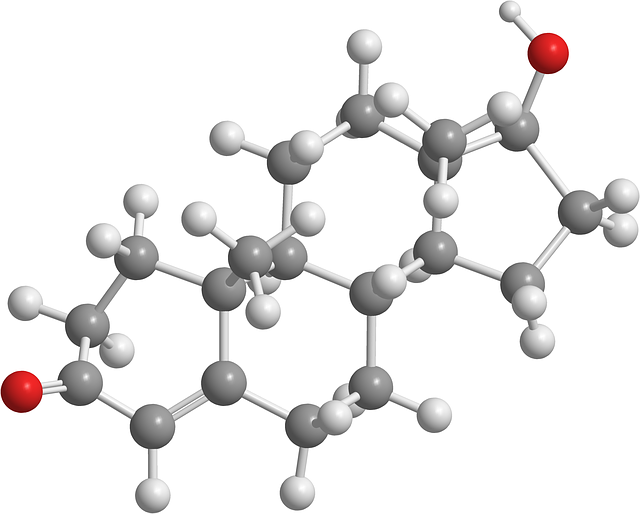
Endocrine System (3 Credits)

Human Sex and Reproduction (3 Credits)
Human Urinary System (3 Credits)
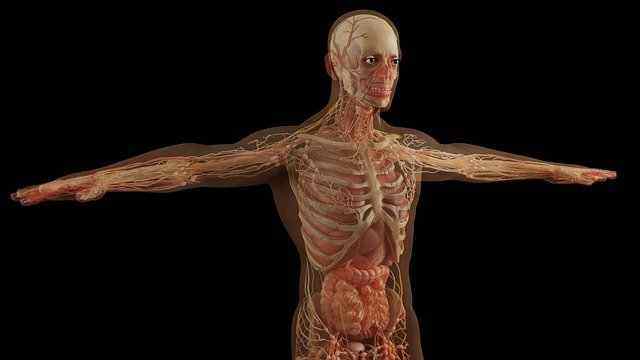
Musculoskeletal System (3 Credits)
Non-Infectious Disease (3 Credits)

The Structure and Function of Cells (6 Credits)
Graded Chemistry Units
Chemistry and Society (3 credits)

Chemistry for Biologists (6 credits)

Chemistry of Drugs and medicine (6 credits)
Requirements
Entry requirements for the Access to Higher Education Diploma course
We do not require you to have Maths and English GCSEs but universities do, at Grade 4/C or above. Study either or both alongside your diploma. Scroll down for more information on our fully online Functional Skills (includes the online exams) or GCSE options.
Age: There is no formal age requirement for entry on to the Access to Higher Education Diploma course; however, if you are under 19 may universities insist you complete A Levels instead. Please check with the university that they will accept the Access to HE Diploma if you are under 19 years of age.
Entry requirements for university entry
Most universities require GCSE English and Maths in addition to the Access to Higher Education Diploma (or A Levels).
Entry requirements may vary between universities. Always verify that your qualifications will be accepted by your chosen institution before enrolling.
Qualification
- Full qualification title
-
Access to Higher Education Diploma (Health Science Professions)
- Course type
-
Access to Higher Education Diploma
- Credits
-
60 Credits at Level 3 (15 Ungraded & 45 Graded)
- Learning aim reference
-
40012876
- UCAS tariff points
-
Maximum 144 points depending on grades
- Location
-
Online
- Start date
-
This course can be started at any time of the year
Staging placeholder
Career outcomes content is still to be completed.
Referenced Career pages will appear here once they are added to this Course.
FAQs
Access to HE Frequently Asked Questions
Browse the sections below for answers about qualifications, university applications, studying online, funding, and tutor support.
Qualifications
Q: What is an Access to HE course?
A: The Access to Higher Education Diploma is a Level 3 qualification designed to prepare adults for university. It provides the UCAS Tariff points needed for degree-level study and can be completed entirely online with Academy Online Learning. It is ideal for adult learners who do not currently have a Level 3 qualification and want a direct route into higher education. Read more...
Q: What qualifications do I need to apply for the Access to HE Diploma?
A: No formal qualifications are required to start the diploma. However, you will need motivation, the ability to ask for help when needed, and a good standard of written and spoken English. Universities may still require Level 2 qualifications such as GCSEs alongside an Access course, so it is important to check entry requirements carefully. Read more...
Q: What will this qualification give me?
A: An Access to HE Diploma in Health Science Professions or Business can lead to a wide range of degree routes, including nursing, midwifery, paramedic science, business, management, and politics. The Access to HE Diploma is a recognised Level 3 qualification and is widely accepted by UK universities and higher education institutions. Read more...
Q: I want to qualify as a health professional. Do I need a university degree?
A: Yes. To become a nurse, midwife, paramedic, or similar health professional, you will need to progress to university and complete a degree in your chosen subject. For more information on careers and entry requirements, visit NHS Careers. Read more...
Q: Can I do this diploma if I live outside the UK?
A: This QAA-recognised Access to HE Diploma is validated for students living in the UK, including the Channel Islands and the Isle of Man. Read more...
Q: What does QAA stand for?
A: QAA stands for the Quality Assurance Agency. It is the organisation that safeguards quality and standards in UK colleges and universities so that students have the best possible learning experience. You can find more information here. Or Read more...
Q: Who is the awarding organisation for this course?
A: Our awarding organisation is Skills and Education Group Access. You can view our details on the Access to Higher Education website here: Health Science Professions provider. For Access to Business, click Access to Business on QAA. Or Read more...
Q: I already have a degree, but not in a health-related subject. Can I still apply?
A: Check directly with your chosen university to confirm their entry requirements. Read more...
Q: Am I required to have work experience in the health sector?
A: It is always a good idea to gain some insight through work experience. You can contact your local NHS trust and ask to speak to Human Resources, Voluntary Services, or education and training departments. They will be able to advise you. There may also be opportunities within the private sector in your local area. Read more...
University
Q: How do I apply to university?
A: You first need to be working towards the correct entry qualifications. If you do not have A Levels, an Access to HE Diploma may be an alternative route. Some universities also require GCSEs in English, Maths, and sometimes Science, so always check with the admissions department before applying. Read more...
Q: Am I entitled to an NHS bursary when I get to university?
A: Many students on health-related degree courses qualify for financial support. This NHS link may be useful. UCAS is the organisation through which most university applications are made. For more information, visit UCAS. Or Read more...
Q: Which universities or higher education institutions offer degree courses in Health or Business?
A: A full list of courses and institutions can be found here. Or Read more...
Q: Will I get help with my UCAS application?
A: Yes. As part of your course fees, AOLL provides support through one application cycle. This includes checking your UCAS form, proofreading your personal statement, and providing an academic reference with predicted grades. We are a UCAS registered centre. Read more...
Q: Will my tutor give me a reference?
A: If you link your UCAS application to AOLL, we will automatically act as your referee. If you would prefer to use a different referee, you will need to apply independently so that you can enter their details instead. Read more...
Q: Can I get a TOTUM card?
A: Yes. Students can apply directly online via TOTUM. Or Read more...
NHS Careers
Q: What careers are available in the NHS?
A: A full list of NHS careers and job roles can be found on the NHS website. Or Read more...
Getting Started
Q: When can I start this course?
A: You can start at any time during the year. Our provision allows learners to begin when it suits them, rather than only in September. Read more...
Q: Once I have completed the enrolment form, how do I get started?
A: Once your chosen payment option has been set up and accepted, you will be allocated a personal tutor who will contact you, talk you through the next steps, and help you get started. Read more...
Q: Do I have to pay to enrol?
A: There is no cost or commitment when you first enrol. An automated email will be sent to your inbox with further information about how the course works and what to expect as a student. Read more...
Q: Can I speak to somebody in Admissions?
A: Yes. You can call us on 0161 726 5970, email enquiries@academyonlinelearning.co m, or visit Contact Us to send us a message. Read more...
Q: I have been out of education for many years. Have I left it too late for university?
A: No. The Access to HE Diploma is specifically designed for adult learners returning to education who do not have qualifications such as A Levels for university entry. There is no upper age limit. Read more...
Q: How do I enrol?
A: The registration form can be accessed at the top of the page. You can also complete the /contact form or send us a message via Contact Us. Read more...
Tutor Contact
Q: How often can I contact my tutor?
A: You can contact your personal tutor via the messaging service at any time and will normally receive a response within 24 hours, Monday to Friday. Read more...
Q: Do students feel isolated studying through distance learning?
A: Distance learning may not suit everyone, but there is strong support from tutors and staff throughout the course. Students past and present can also communicate with each other for advice on universities, bursaries, open days, careers, and more via the private Facebook group. Read more...
How Studying Online Works
Q: How do I receive my learning materials and assignments?
A: Once enrolled, you will have access to your VLE dashboard where you can find all learning materials and assignments. Read more...
Q: What is the VLE?
A: The VLE is our virtual learning environment. It is where you access course materials, submit work, communicate with your tutor, and find additional guidance on UCAS, careers, moderation, and study support. Read more...
Q: Is this course accredited by the QAA?
A: Yes. It is fully accredited by the QAA for both Health Science Professions and Business. Read more...
Q: What do I have to achieve to get an Access Diploma?
A: You must achieve 60 Level 3 credits in total. Of these, 45 credits are graded at Pass, Merit, or Distinction. Read more...
Q: Do I need to physically attend anywhere to take this course?
A: No. This course is fully distance learning. There are no classes or exams to attend in person, which can save time and travel costs. Read more...
Q: How are the courses assessed?
A: Assessment is through written assignments such as essays, reports, presentations, and question-based tasks. There are no exams. Assignments are worth 3, 6, or 9 credits, and the time allowed varies accordingly, although you can often submit earlier if you want to complete the course more quickly. Read more...
Q: How many hours per week will I need to study?
A: As a general guide, Skills and Education Group Access recommend around 10 study hours per credit. If you aim to complete the course in 12 months, this usually works out at around 12 hours per week on average. Read more...
Q: Can I take a short course for continuing professional development?
A: Yes. If you have been advised that fewer than 60 credits are needed for your progression, contact us to discuss the available options. Read more...
Q: What is moderation?
A: There are two types of moderation: internal and external. Internal moderation helps ensure that grading is fair and consistent, while external moderation by the awarding organisation confirms student achievement and leads to the final award of the diploma certificate. Read more...
Q: When is moderation?
A: External moderation for certification usually takes place in June or July for September university starters, and in November or December for January university starters. Read more...
Q: When do I receive my certificate?
A: Certificates are usually issued within four weeks of the Final Awards Board. Read more...
Q: What do grades and grading mean?
A: Graded units are awarded at Pass, Merit, or Distinction. Universities often specify how many Merits and Distinctions they expect applicants to achieve. You can use our UCAS Tariff Points calculator to work out what grades you may need for entry. Read more...
Q: Do all universities accept Access to HE?
A: Most UK universities accept the Access to HE Diploma as an entry qualification, but you should always check the specific university course page. Some courses also expect particular units, GCSEs, or grade profiles such as a required number of Merits and Distinctions. Read more...
Funding
Q: Is there any funding available to me?
A: Please visit our Funding Page for more information. Allied health students studying at UK universities may also be eligible for grants and other support through the NHS Learning Support Fund. You can find more information here. Read more...
Q: If I want to stop my course, do I still have to pay?
A: The monthly payment option is designed to help learners manage the financial side of studying. These are not monthly study payments, but part of an agreement to pay the full course amount. Read more...
Q: Can I take a study break?
A: Yes. We understand that personal circumstances can change, and this course is designed to be flexible. In some situations, you may be able to freeze your course and save your study days. Read more...
Payment Options
- Course fee
-
£1320 (includes £150 registration fee)
Enquiry Form
Trusted by our learners
Independent reviews from students studying with Academy Online Learning.